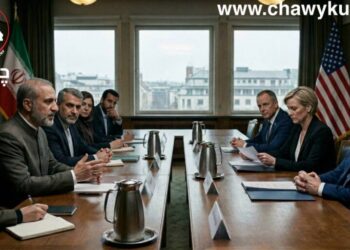















































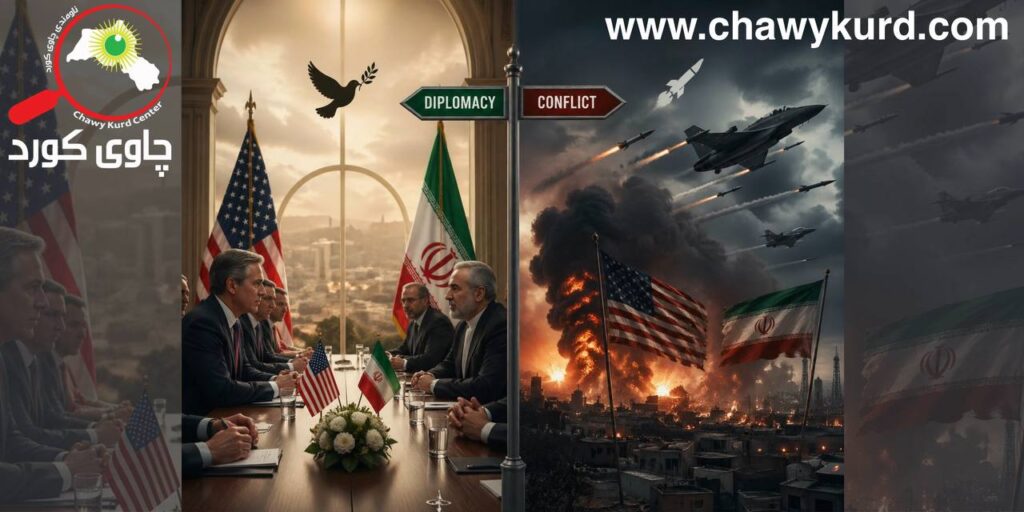
According to the New York Times, according to several sources, Donald Trump told his advisers at a meeting in the White House war room on Monday; He is not satisfied with Iran’s latest proposal to open the Strait of Hormuz and end the war. Therefore, Iran’s report called for a delay in the nuclear talks. According to US and Iranian officials, Iran has asked the United States to end the maritime embargo. The proposal again does not answer questions about the fate of Iran’s nuclear program.
Iran has repeatedly rejected US demands to halt its nuclear program and hand over its enriched uranium. It is unclear exactly why Trump does not agree with the proposal, but he has repeatedly insisted that Iran cannot have nuclear weapons. The White House declined to comment on Mr. Trump’s thinking, but US officials insist that talks on the war and Tehran’s enrichment efforts will continue. “The United States does not negotiate through the media. We have been transparent about our red lines and the president will only approve an agreement that benefits the American people and the world,” White House spokeswoman Oliver Willis said in a statement.
Iran’s proposal to be discussed in US government
According to the New York Times, Iran’s proposal to open the Strait of Hormuz has sparked heated debate among the US government about which one of the two countries has the most pressure and which country is better positioned to cope with the economic difficulties of closing the strait. Iranian Foreign Minister Abbas Iraqchi handed over the proposal to Pakistani mediation on Sunday, and Mr. Trump discussed it at a meeting with his national security advisers in the White House “war room” on Monday. The US president last week rejected another Iranian offer and canceled a trip to Islamabad. According to US officials, the Iranian leader has not allowed his negotiators to make concessions on the terms of the nuclear deal, which has thwarted any agreement or peace. Mr. Trump has shown his disappointment in Iran and his inability to negotiate with his government.
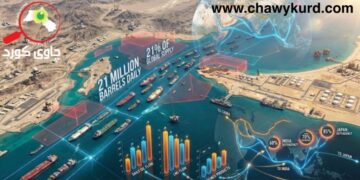
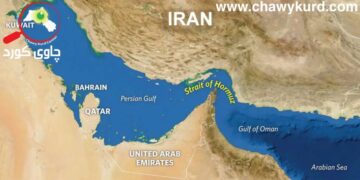
“Iran is facing a huge problem in understanding who is the leader. They really don’t know that the internal conflict between extremists who have failed miserably on the battlefield and moderates who are not very moderate but are gaining more respect is crazy,” he wrote. Postponing the nuclear talks could have been a way to quickly reach an agreement that would ease pressure on global energy and financial markets. But any decision based on a suspension of nuclear talks, even temporarily, would signal that the United States has failed to achieve one of its main goals in the war: increasing pressure on Tehran to reach an agreement on uranium enrichment. Intensive discussions on the opening of the Strait of Hormuz will also be dangerous. The US sanctions are aimed at ending Iranian oil exports. But Iranian threats to attack ships that refuse to pay fees have drastically reduced oil tanker traffic.
Iranian officials have insisted that any agreement to open the strait must allow them to charge fees from ships. In the past, the United States has opposed any such restrictions on international routes, but the Trump administration has so far sent a message of opposition. According to US officials, amid discussions on whether to accept Iran’s proposal, there have been discussions with the Trump administration on the issue of economic pressure and what US military operations could force Tehran to give significant concessions in the negotiations. Some government officials believe that continuing the sanctions for another two months will cause significant long-term damage to Tehran’s energy. According to them, Iran’s oil reserves are running out and Iran will have to close its oil wells as soon as possible. This will cause serious damage to these wells and incur high repair costs. The officials say Iran is making an agreement to prevent a protracted conflict.
“Will US maritime embargo stop Iranian oil production?”
Instead of a sudden halt, Iran could manage a gradual and controlled decline in production in some regions. Tehran may even voluntarily cut production to have more savings for the future and to resume production more easily after the crisis ends. Finally, after the end of the conflict and the opening of the Strait of Hormuz, the market attention will return to the level of oil savings. Currently, oil reserves on the Gulf Arabian Front provide less than 10 days of pre-war exports, a number that may not be enough for a quick return to production. For this reason, even taking into account the detained oil tankers, the supply gap caused by the war cannot be quickly compensated. As a result, although Khark Island, Iran’s most important export terminal, has about a quarter of the country’s crude oil storage capacity and 90 percent of the country’s export capacity, Iran’s experience during the coronavirus era shows other storage capacity.