



































Introduction
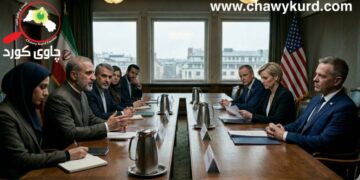
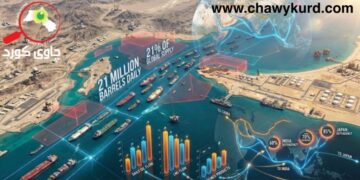
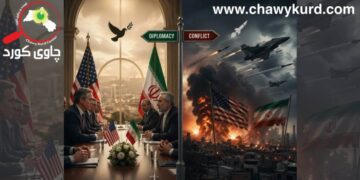
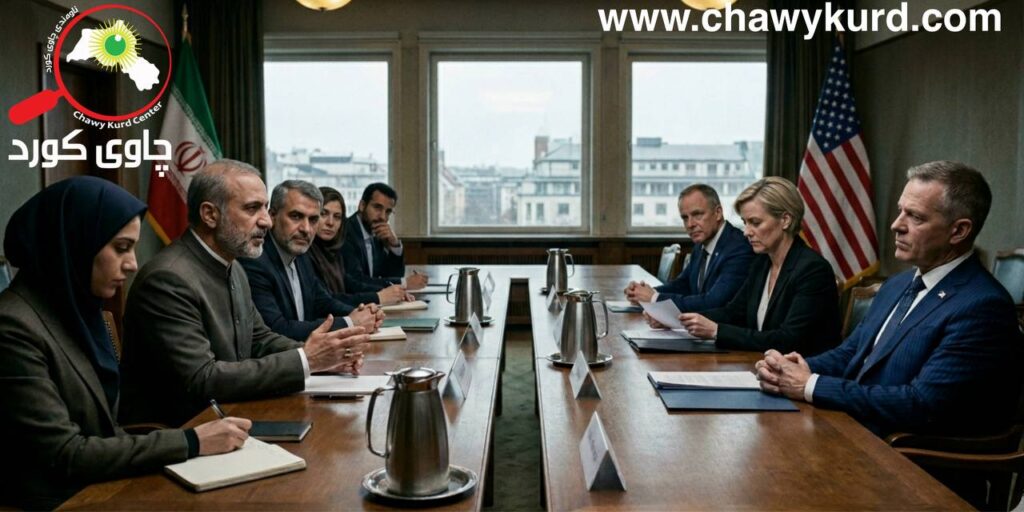
The US-Iran relationship since 1979 is a classic “structural conflict” shaped by ideological hostility, regional power struggles, and global geopolitics. The US withdrawal from the 2015 nuclear deal (JCPOA) and its “maximum pressure” campaign, coupled with Iran’s nuclear advances, shifted their mutual mistrust from a tactical hurdle to a strategic defining factor. Between 2025 and 2026, severe economic sanctions pressured Tehran into tactical flexibility, while Washington sought diplomacy to manage crises, contain energy price volatility, and protect its regional allies. Ultimately, both nations returned to the negotiating table not out of trust, but due to a lack of better alternatives.
Three Levels of Mistrust
1. The Domestic Level
Mistrust serves as a tool for political survival in both capitals. In Iran, the security-ideological faction uses anti-US sentiment for domestic legitimacy, framing compromises as “treason.” Conversely, the diplomatic faction is forced to show tactical flexibility due to economic hardship but cannot build strategic trust. In the US, the “pendulum policy”—where Democrats pursue diplomacy and Republicans dismantle agreements—convinces Tehran that White House commitments are transient. Additionally, Congress, influenced by Israeli and Gulf lobbies, remains ready to impose new sanctions, limiting any president’s diplomatic maneuvering.
2. The Regional Level
While Israel and the Gulf states are not directly at the negotiating table, they set the boundaries of any potential deal:
- Israel: Successfully established preventing a nuclear Iran as an absolute US redline. Israel uses mistrust as a weapon to ensure any agreement remains highly restrictive, preventing Iran from integrating as a normalized regional power.
- The Gulf States: Following the 2019 Aramco attacks, Gulf nations recognized the devastating costs of a direct war with Iran, shifting toward de-escalation. However, they remain highly suspicious that a comprehensive US-Iran deal might come at the expense of their security. Consequently, they support limited negotiations to prevent war but oppose any strategic pact that elevates Iran’s regional status.
3. The International Level
With the decline of US unipolarity, rivals China and Russia actively manage this mistrust to balance power against Washington:
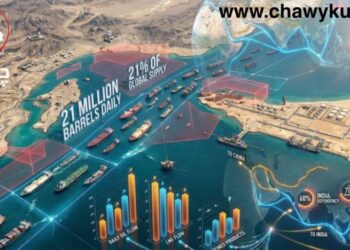
- China: Acts as Iran’s economic lifeline by purchasing discounted oil and signing a 25-year strategic pact, reducing Tehran’s need for rapid concessions. Continued US-Iran friction keeps American strategic focus anchored in the Middle East, distracting it from the Indo-Pacific.
- Russia: Following the Ukraine war, Moscow and Tehran formed a strategic alliance. Iran supplies military hardware, while Russia provides diplomatic cover at the UN Security Council and advanced military technology. Russia has no interest in US-Iran normalization, as an isolated Iran remains a more cooperative ally.
The Roots of Mistrust: A Historical Perspective
- 1953 Coup: The CIA’s Operation Ajax overthrew the democratically elected Prime Minister Mohammad Mossadegh, restoring the Shah and seeding deep Iranian resentment toward US intervention.
- 1979 Revolution: The hostage crisis, where 52 American diplomats were held for 444 days, shattered US national pride and permanently cast Iran as an adversary in American foreign policy.
- The 1980s Clashes: Operation Praying Mantis (1988) saw the US Navy destroy half of Iran’s operational fleet. The tragic downing of Iran Air Flight 655 that same year further solidified Iranian hostility.
- The “Shia Crescent”: Post-2003, Iran’s support for regional proxies (Hezbollah, Hamas, Houthis) entrenched the US view of Iran as an existential regional threat.
- Stuxnet and the JCPOA: The cyberwarfare targeting Iranian centrifuges and Trump’s 2018 JCPOA exit destroyed any lingering faith in American diplomatic signatures.
- The 2020 Soleimani Assassination: The killing of Qasem Soleimani was viewed by Tehran as an act of war, triggering a cycle of proxy retaliation.
The Climax of Escalation (2025–2026)
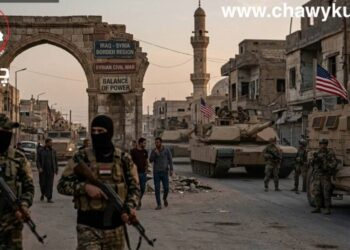
The 12-day war in June 2025 shattered the diplomatic tract. Under Israeli influence, the US launched devastating airstrikes on Iranian soil. Strategic analysts noted that this military escalation, occurring amidst active talks, made Iranians feel strategically deceived, viewing negotiations as a military ruse.
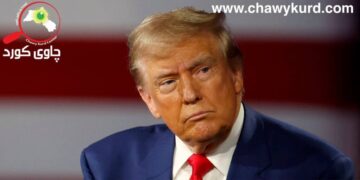
Tensions peaked on February 28, 2026, with a massive joint US-Israeli strike that resulted in the assassination of Iran’s Supreme Leader, following private consultations between Israeli PM Benjamin Netanyahu and Donald Trump.
Future Scenarios
| Scenario | Strategic Mechanics | Main Risks |
| 1. Small, Temporary Agreement (Most Likely) | Tactical “less-for-less” deal. Iran limits enrichment; US releases frozen assets. | Fragile; easily derailed by regional proxy actions or Israeli strikes. |
| 2. Controlled Explosion | Diplomacy fails; US uses military pressure, or Iran rapidly accelerates enrichment. | High risk of escalating into an uncontainable, full-scale regional war. |
| 3. Paradigm Shift | Requires a major shock: radical reform in Iran or a grand US-China geopolitical deal. | Highly unlikely due to deep historical wounds and competing regional interests. |
Conclusion
Mistrust is no longer just an obstacle to peace; it has become the system through which the US-Iran conflict is managed. Without a shared “shadow of the future” built on verifiable, step-by-step guarantees, any diplomatic breakthrough will remain a temporary ceasefire rather than a strategic resolution.