


















“A Strategic Transformation”
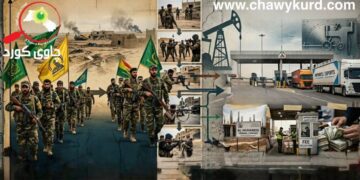
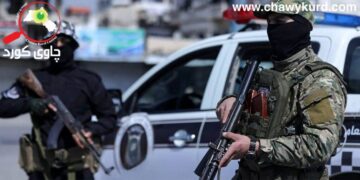
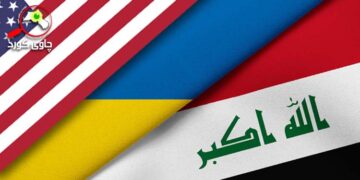
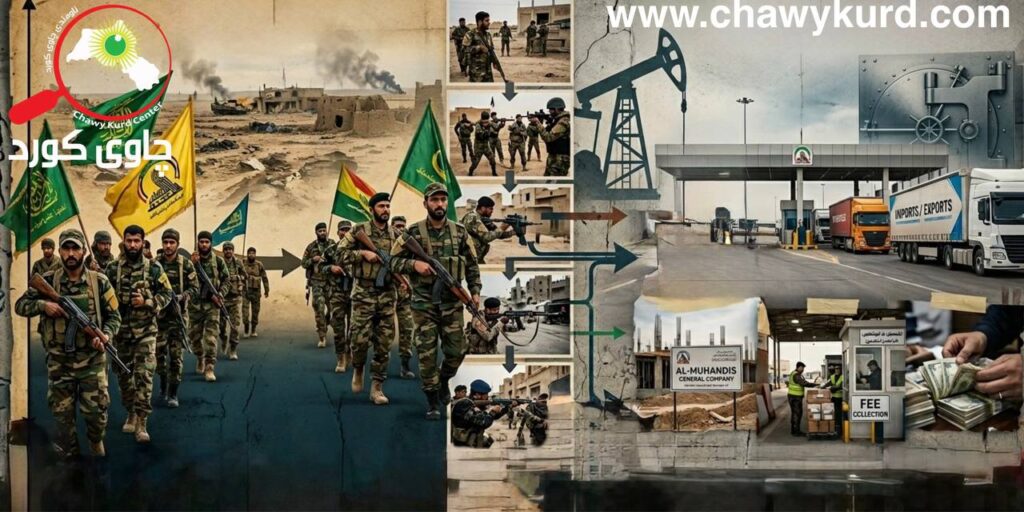
While the world remains focused on the military movements of Iraqi armed groups—particularly their formal support for Iran in the “Iran-US-Israel” conflict and their repeated drone and missile strikes against the US Embassy in Baghdad and the Consulate in Erbil—a quiet and dangerous transformation has been occurring within their infrastructure. The Popular Mobilization Forces (PMF), established in 2014 following the Supreme Shia Authority’s fatwa to confront ISIS, is no longer merely a fighting organization. It is rapidly evolving into an economic model mirroring Iran’s “Revolutionary Guard” (IRGC). This shift not only secures the political independence of these groups but also poses a direct threat to the private sector and the Iraqi banking system.
Historical Roots and Structural Diversity
Most Shia militias emerged after the 2003 liberation of Iraq, receiving support from both the Iraqi and Iranian governments. Today, the PMF serves as a legal umbrella for over 40 distinct militias. Key components of this empire include:
- Total Personnel: The PMF workforce has grown to over 230,000 employees.
- Key Groups & Estimated Strength:
- Kata’ib Hezbollah: Approximately 40,000 fighters.
- Badr Organization: Led by Hadi al-Amiri, its membership has surged into the tens of thousands post-2003.
- Asa’ib Ahl al-Haq: Comprising four military wings, five administrative departments, and an executive council.
- Saraya al-Salam: The military wing of the Sadrist Movement, led by Muqtada al-Sadr.
- Saraya al-Difa’ al-Sha’bi: A specialized unit established by Kata’ib Hezbollah in 2014 for less experienced recruits.
- Liwa Abu al-Fadhal al-Abbas: An armed movement active in both Iraq and the Syrian conflict.
State Budget: The Fuel for Growth
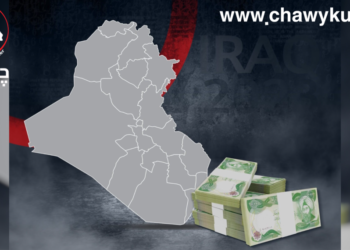
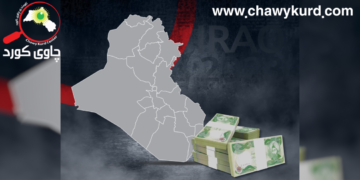
The PMF has successfully reinforced its position through legal and governmental channels. Iraqi budget data reveals that financial allocations for the PMF rose from 1.1 trillion dinars in 2016 to nearly 4 trillion dinars in 2024. This funding has made the PMF the largest employer in Iraq outside of civilian state institutions.
Monopolizing Investment: Al-Muhandis General Company
The establishment of the General Muhandis Company (officially registered in 2023) marks a historic turning point. It functions as the engine of a “parallel economy” with unique privileges:
- Capital & Support: Started with 100 billion dinars, the company is legally exempt from taxes and utility costs (water, electricity, fuel), creating unfair competition for the private sector.
- Project Dominance: It has already seized over 60 strategic projects in Diwaniyah, Maysan, Saladin, and Baghdad. This includes agricultural projects in the Samawa desert with deep geopolitical implications.
- Vertical Strategy: Observers view this as a copy of the IRGC experience. The goal is financial autonomy to make the PMF immune to political efforts to dismantle or reorganize them.
Shadow Economy and Money Laundering
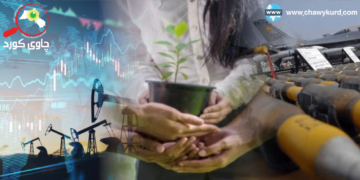
This economic empire provides the “Resistance Front” with the financial power to conduct operations, such as the February 2026 strikes against the Kurdistan Region’s energy infrastructure. Beyond government contracts, the PMF has deeply penetrated:
- Real Estate: Purchasing high-value properties in Baghdad and developing malls/residential complexes to stabilize capital and facilitate money laundering.
- Liquidity Control: Significant control over market cash flow and exchange rates through their influence on the banking sector.
Impact on the Kurdistan Region
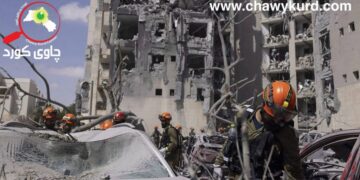
Since the escalation of the conflict on February 28, 2026, the Kurdistan Region has faced specialized drone and missile attacks despite its declared neutrality.
- Human Toll: 13 deaths reported so far, including six Peshmerga soldiers killed in missile strikes in the Soran district.
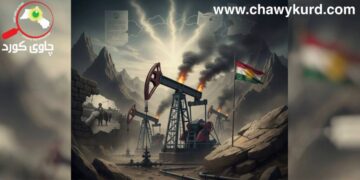
- Energy Sabotage: Constant targeting of oil and gas fields (like Khor Mor) aims to cripple the Region’s export capacity and internal production.
- Investment Climate: These attacks drive away foreign companies by increasing insurance costs and security burdens on the KRG budget.
Strategic Conclusion
The PMF has evolved into a “State within a State.” By merging military force with financial hegemony, these groups can simultaneously disable the Kurdistan Region’s infrastructure via missiles while squeezing its economy through control of the central budget and banking systems. Any future attempt at “disarmament” will be futile unless accompanied by “financial disarmament” and transparency regarding their investment sources.