


















“A Hypothetical Scenario in the Middle East”
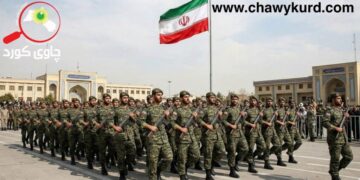
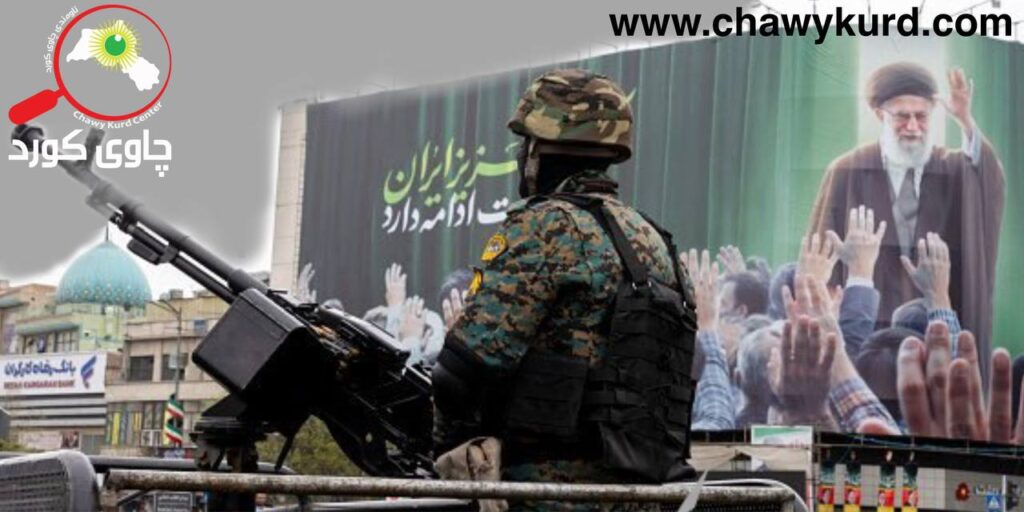
Following the Iranian People’s Uprising and the subsequent dominance of the Islamic Revolution in 1979, Tehran embraced the idea of “exporting the revolution” as part of its political vision, believing that its religion-political paradigm should be rejected beyond its borders. On the other hand, Islamic Iran was a mixture of three dimensions: nostalgic and past-minded Iranian-Persian expansionism (the followers of the exiled Iranian prince still use the same strategy); the third is the influence of the leftist revolution and the Guevara-like struggle of three continents against Western capitalism. These ideas were not just slogans; instead, they became part of the doctrine and embodiment of the political struggle of the new regime. Meanwhile, the revolutionary leaders insisted that their message should not remain confined to Iran and that their influence and hegemony should extend beyond the region. But if we assume that Iran had taken another path, for example, as a normal state based on common interests, rather than exporting revolution and spreading ideology, the Middle East would be very different and positive for Iran. The surroundings were also visible.
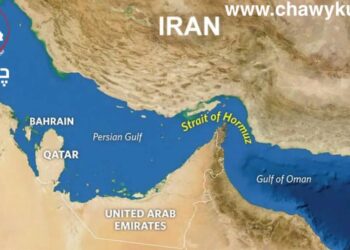
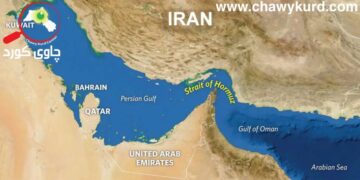
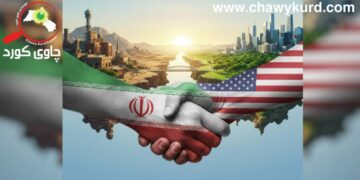
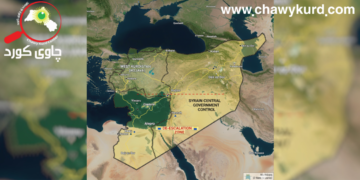
In the logic of real politics, the powerful states or the power of states in this era, or the great economic state, exert their influence through the development of common interests, common economic benefits. They build regional profits, alliances and stability, not through ideological conflict and betting on creating unknown enemies. Had post-revolutionary Iran adopted a policy of “non-enemies” with its neighbors, it could have transformed itself into a regional economic power, similar to South Korea in Asia. Iran has all the necessary ingredients and solutions for this outcome, including: – A strategic geographical location, vast energy resources and an educated workforce. In that way, it could become an economic hub and could connect the Gulf, Central Asia and the Caucasus, rather than turning the region into an arena of unnecessary conflict. Worse, Iran has consistently acted with red-eye and the logic of force and in doing so has subjected its people to great sacrifices, although the sacrifices depend on the beliefs of some of its Shiite believers, who are in the majority in power. Moreover, Iran constantly bets on having an unknown hypothetical enemy as a means of domestic suppression and importing the crisis abroad. On the other hand, Iran has provided internal stability by expanding its backyard; that is, expanding the defense front of the “resistance” in Iraq, pre-Sharia Syria, Lebanon, Palestine and Yemen to reduce the threats to it.
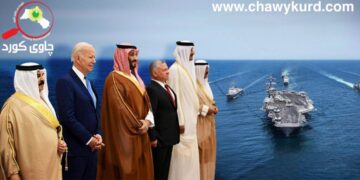
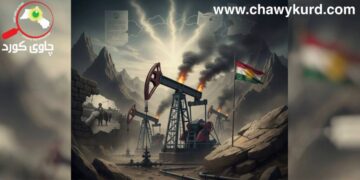
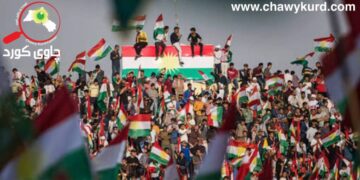
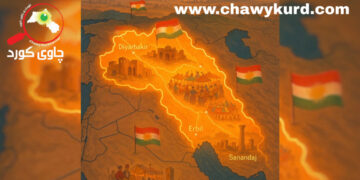
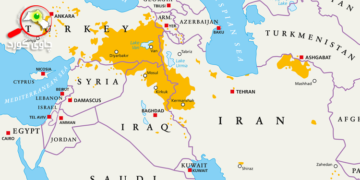
From the Kurdish perspective, a friendly Iran would have brought about positive changes. Kurds across several countries in the region have been forced to accept a denial and often bear the brunt of regional conflicts. If Iran had focused on stability and cooperation with its neighbors instead of ideological rivalry, it might have created a more resilient regional environment related to national issues and cultural rights, an environment based on mutual respect and mutual benefit, rather than in terms of dual equations; Either the option of a submissive friend or an enemy must disappear. Clearly, stable states tend toward political compromise, while those involved in permanent conflict tend not to prioritize strategic security and to reject and target the enemy; any person or party who. It’s not a friend. Friendly and economically neighboring Iran told a different story. The international sanctions that have burdened Iran for decades are not only the result of Western policy, but also the result of Tehran’s strategic military options, from interfering in regional affairs to creating agents and proxies among all political structures in the region. In a more pragmatic scenario, Iran could become a major economic partner for the Gulf States, Iraq and Turkey. Instead of being economically isolated, it would become one of the world’s largest energy and land trade routes.