























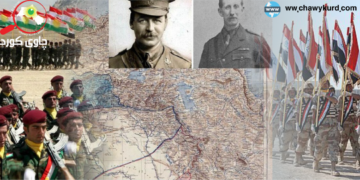























William Egelton, a prominent American diplomat and author, who made a significant contribution to Middle Eastern studies, especially on the Kurdish issue, his most important work related to the Kurds, is The Kurdish Republic of 1946, published in 946. This book is considered one of the most important and reliable sources for understanding the first experience of Kurdish statehood in the twentieth century, the Republic of Mahabad. Eagleton, as a diplomat who worked in the region at the time, offers a unique and up-close perspective on events, which makes his analysis valuable and profound. This article attempts to present Eagleton’s views on the Kurds and the Mahabad Republic in a detailed analytical manner, dividing the article into three main themes: the historical context and establishment of the republic, its leadership and internal dynamics, and its collapse and effects. The aim of this analysis is to provide an in-depth understanding of the way Eagleton recorded and analyzed Kurdish history and the experience of the Mahabad Republic.
Historical Framework and Establishment of the Republic of Mahabad
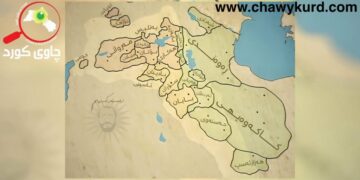
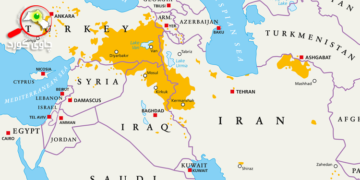
In his book, William Eagleton first presents a comprehensive historical framework for how the political and social conditions of the region, especially after World War II, paved the way for the establishment of the Republic of Mahabad. He talks about the fact that the Kurds lived in a strategic area and were always under the influence of the great powers. Eagleton details the historical background of the Kurds, especially the nationalist movements and previous attempts to achieve their rights, which serves as a basis for understanding the Mahabad Republic. One of the main points of Eagleton’s analysis is the role of foreign powers, especially the Soviet Union. Eagleton clearly describes how the Soviet Union, because of its strategic interests in the region, supported the establishment of the Republic of Mahabad. He also points out that the Soviets saw Qazi Mohammadi as “their man” to run this new Kurdish entity. This Soviet support, both politically and militarily, played a decisive role in the rise and short-lived survival of the republic. Eagleton highlights how this support, while providing a golden opportunity for the Kurds, also subjected the republic to Soviet interests, which later weakened and collapsed. Eagleton analyzes the causes of the republic’s rise in detail, not only focusing on the role of the Soviet Union, but also on internal factors, such as Kurdish disappointment in the Iranian central government, growing nationalist sentiment, and the Kurdish desire for self-government. In Eagleton’s view, the Mahabad Republic was the product of a combination of favorable international conditions and the Kurds’ long-standing desire for independence and self-determination. Therefore, he emphasizes that despite the role of the Soviet Union, the Kurdish will to establish this republic was a fundamental factor.
Result
William Eagleton’s Kurdish Republic of 1946 is an invaluable source for understanding one of the most important periods of contemporary Kurdish history. Eagleton presents the historical context, internal dynamics, and causes of the collapse of the Mahabad Republic in a detailed and analytical manner. His perspective, based on in-depth research and observations as a diplomat, helps to understand the complexities of the Kurdish issue and the impact of internal and external forces on the fate of a people. This book not only serves as a historical record, but also remains an important analytical source for those who want to understand the experience of the Mahabad Republic and its impact on the Kurdish nationalist movement. Eagleton’s analyses, despite the passage of time, remain valuable and relevant for research on the Kurdish issue and regional history.