





















Iran-US relations have entered a sensitive and decisive stage. In the wake of the 12-day war between Israel and Iran—which is widely seen as strongly backed by the United States—the current tensions are not surprising. Obviously, the movement of the main and most powerful weapon of the century to the Middle East should cause major changes in the region, which indicates that the region may be approaching a new stage of pressure, instability and strategic confrontation. But the key question is whether tensions will escalate, how far they will go—and what kind of future this confrontation is likely to produce.
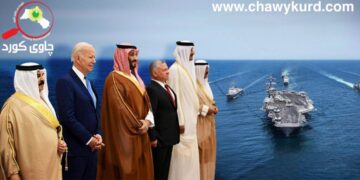
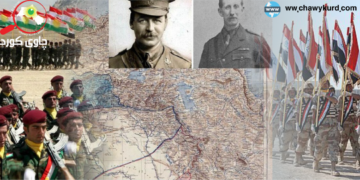
Military Message; When the United States sent marines and aircraft carriers to the Middle East, it delivered a message more powerful than any diplomatic statement. Power is often transferred through visible military moves rather than speeches or negotiations. For Washington, such deployments are described as “protective” and “deterrent” measures. But for Tehran, the same act is interpreted as the same direct threat. The deployment of the strategic aircraft carrier sends a clear signal; The United States is ready to respond quickly if tensions escalate. Even if the goal is prevention, the psychological and political impact of such steps is enormous, especially in a region where the United States has sent a clear message to all forces that are pursuing policies against the United States.
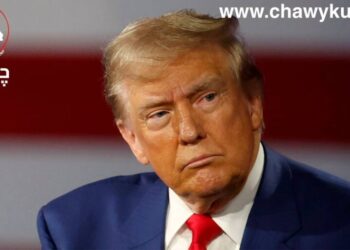
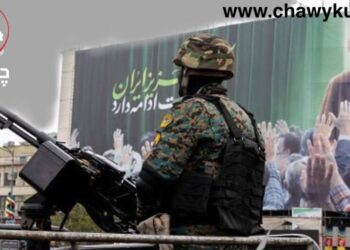
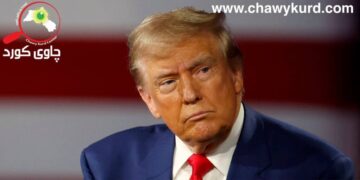
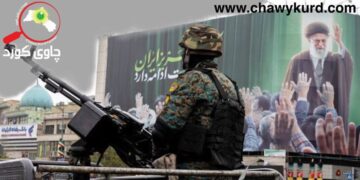
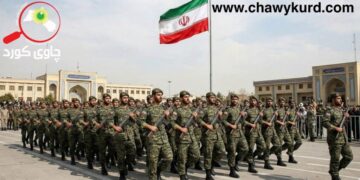
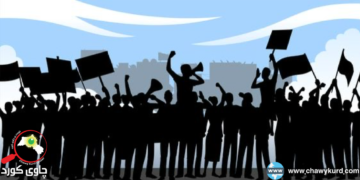
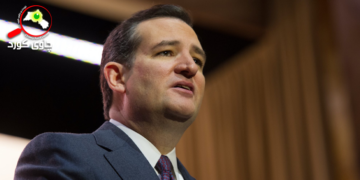
Iran’s internal crisis; Iran is not only facing external pressure. Internal instability has become one of its serious weaknesses. Domestic unrest, economic hardship and political discontent have put the Iranian government under tremendous pressure. Iran’s million-strong demonstration brought the world to the fore, even the United States. In recent statements; US President Donald Trump has publicly encouraged Iranian protesters to “continue to protest,” a message Tehran sees as foreign interference. Iran’s Supreme Leader Ayatollah Ali Khamenei has called the demonstrations “foreign interference and disruption,” saying “those involved in Israel and the United States have caused great damage and killed thousands of people. While the exact numbers are still unknown, Iran’s domestic policy is under serious criticism. This internal crisis is a dangerous situation for Iran, because external pressure is more effective when a state is weak at home.
International pressure and human rights; Support from countries around the world was important because the anger of the world can change policy. When the news is filled with the smell of blood, violence and killing of innocent Iranians, the eyes are on the media, human rights organizations and the Western government, which put pressure on Iran to make political changes, punishes it and isolates it from diplomacy. So the demonstrations had the effect of changing the political direction.
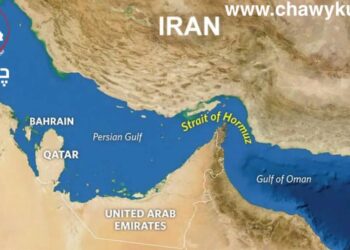
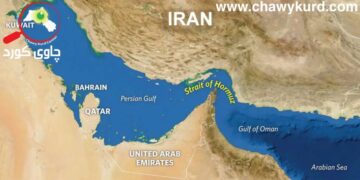
Is the United States ready for war; while war remains a possibility, the economic consequences of a direct confrontation would be severe—not just for Iran but for the global economy. The first shocks of a major conflict are likely to manifest in world markets, especially in oil prices, shipping and international trade. The Strait of Hormuz is one of the most important sea routes on earth. A significant portion of the world’s oil supply moves through this narrow waterway. Any disruption, even temporary, could lead to massive global inflation and economic instability. Iran has repeatedly demonstrated its ability to exert pressure in this area. Iran International said Iran conducted naval exercises in and around the Strait of Hormuz, closing part of the strait for several hours. “Iranian forces are ready to close the strait if ordered by the leadership,” Revolutionary Guards Navy Commander Ali Reza Tangsiri said, posing a major threat to the talks.
“Forecasts and Results”
The most frequently asked question today is whether a war between Iran and the United States is inevitable. Former national security adviser John Bolton said the events deserve military action and regime change, but that Trump’s decisions are “not the end” and no one knows what the final decision will be it must be. According to research, the United States will need more time to hit precise targets if war breaks out, and Iran predicts that there will be no war soon. But delaying the agreements between Iran and the United States will strengthen military power and weaken diplomacy. For the United States, a major conflict in the Middle East would threaten global oil markets, raise inflation, damage trade routes, and generate political pressure at home. Moreover, Washington is aware that a direct war does not remain limited and can quickly involve multiple regional actors. The more realistic scenario is a prolonged “controlled fire” phase. This means limited evolution without complete invasion; indirect strikes through allied militias, expected attacks and targeted operations, naval pressure and regional intimidation tactics. Each side seeks to weaken the other while avoiding a decisive escalation that would force open war.
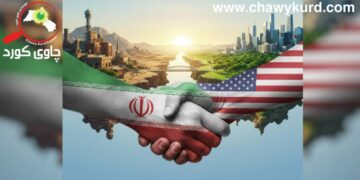
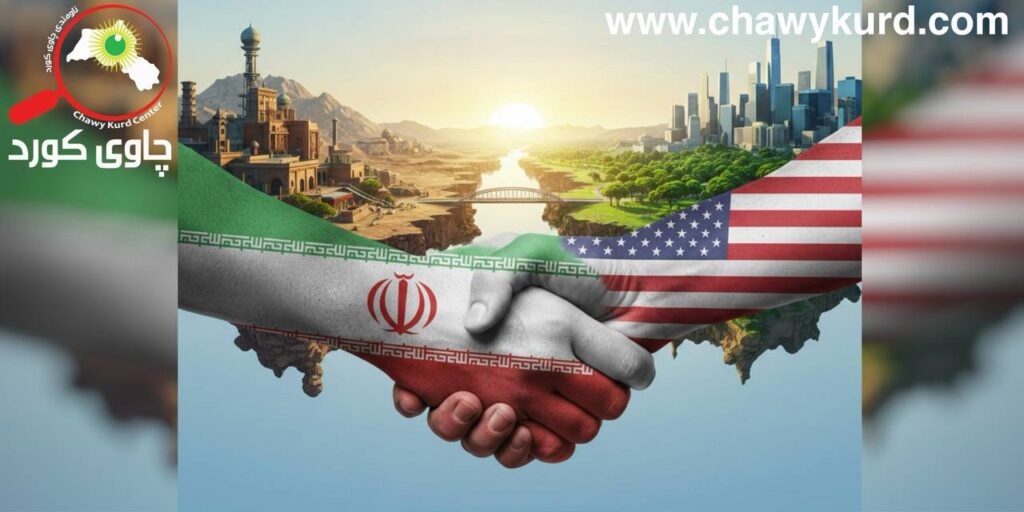
Diplomacy remains active, but mainly as a crisis management tool rather than a path to reconciliation. Negotiations may produce a temporary agreement, but not a lasting peace. Ultimately, the future of U.S.-Iranian relations will be shaped by precarious balances, tensions without explosions, confrontations without full-scale wars, and negotiations conducted under constant threat. The Middle East needs to brace itself for repeated shocks and limited escalation rather than one definitive conflict. The next phase will likely be defined not by armies on the ground, but by pressure, deterrence and strategic uncertainty.