















With the beginning of 2026, the political and military landscape of Syria has changed radically. With the fall of the Ba’ath regime and the coming to power of the interim government led by Ahmad Shara, many believed that the bloody pages of Syria would be closed, but for the Kurds, this change marks the beginning of a new phase of “dangerousness”. Today’s conflict between the Syrian Democratic Forces (SDF) and the New Syrian Army is not only an extension of the civil war, but also a reflection of a deep historical conflict over demographics, ideology, identity, and most importantly: control of energy and water resources.
“The Paradox of Geography and the Curse of Wealth”
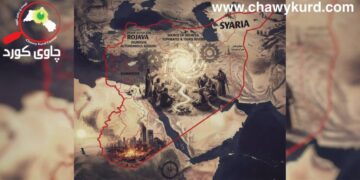
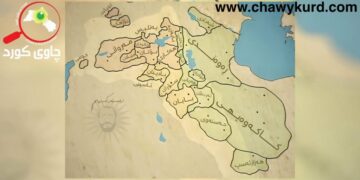
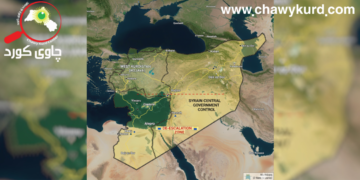
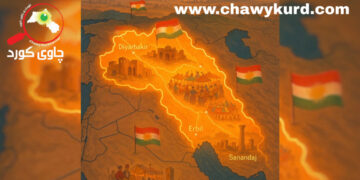
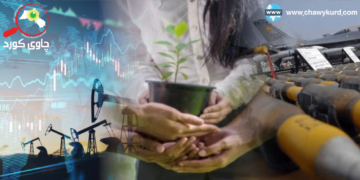
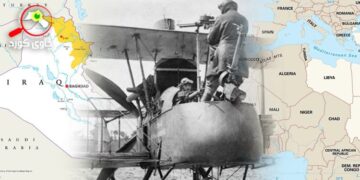
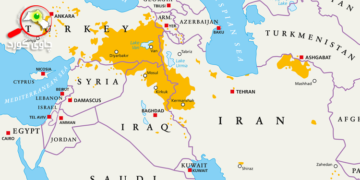
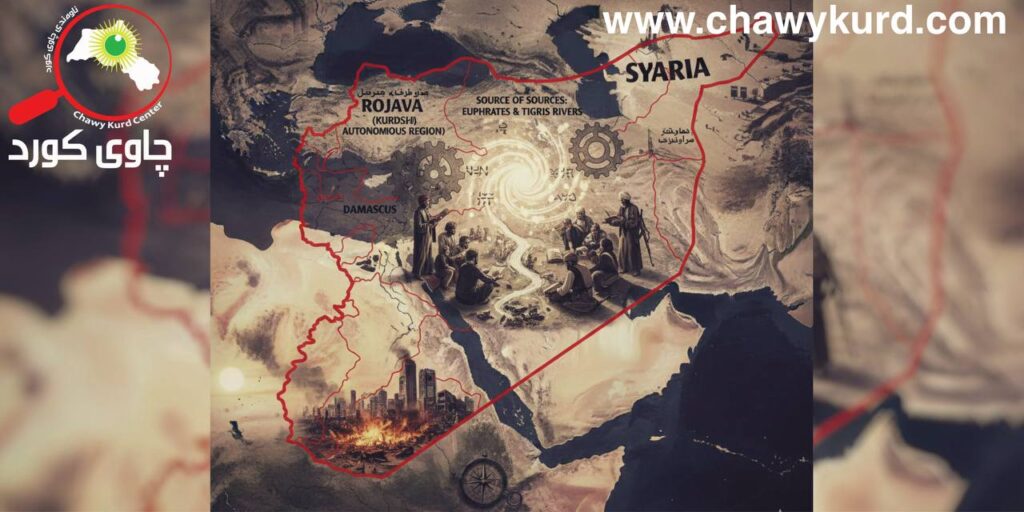
To understand the Kurdish situation in Syria, we must first understand a strange paradox; the nation that was treated as “foreigners” and without identity on its own soil for decade’s lives on geography that is the economic heart of Syria. According to geographical data, the Kurdish regions “divided into three isolated islands: Jazira, Kobani, and Afrin” own about 90% of Syria’s oil reserves and 60% of the country’s wheat food basket. For today, the new Turkish-backed government in Damascus knows that “Syria without Jazira is a dead state”. Therefore, Ahmed al-Shara’s current strategy is not only “ideological” but also economic; He wants to take back the Omar, Tanak, and Ramlan oil fields, which are now under Syrian Democratic Forces (HSD) control and produce an estimated 80,000 to 100,000 barrels per day.
“Balance of Power in 2026; a new division”
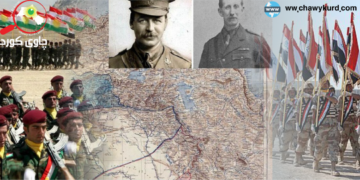
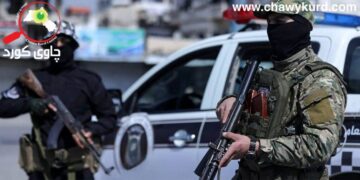
Since the disappearance of Iranian and Russian hegemony in Syria, the arena has been divided into two main forces. On the one hand, HSD, which controls about 25.6 percent of Syrian territory, has a trained force of 80,000 to 100,000 fighters. On the other hand, the central government controls 63% of its territory and has Turkish air support, “drones” and international legitimacy. The movement of the new Syrian army to the east is reportedly part of a “big deal. Analysts say Damascus has sent messages of assurance to Israel and the United States about protecting the borders of the Golan and preventing any extremist groups, while the United States has pursued a kind of “blindfold” so that the central government can impose its authority over Western economic resources.
“Water and Energy Weapons”
The current war cannot be fought with cannons and tanks alone. The Tabqa dams in Raqqa and the Tishrin dams in Manbij, both on the Euphrates River and under HSD control, which are Syria’s main sources of electricity and water. Damascus cannot rebuild the country’s devastated infrastructure without these dams. In contrast, HSD needs ports and official recognition to sell its oil. This equation has created a “zero game” situation; both sides need one, but there is zero trust between them.
“Impact on South Kurdistan”
The Kurdistan Region shares a 50-kilometer border with West Kurdistan. The Semalka/Fishkhabur gateway is the only economic artery in the West. The deteriorating security situation on the Syrian side will have three direct negative impacts on the Kurdistan Region:
- Refugee wave: About 200,000 new refugees are expected to move to Duhok and other areas in the event of urban warfare, although the region is currently hosting 260,000 Syrian refugees.
- Infiltration of terrorism: Instability in Hasakah and Qamishlo allows remnants of ISIS to infiltrate the territory of the Kurdistan Region and Nineveh province.
- Political pressure: The Kurdistan Region is under pressure from Turkey “to close the border” and national solidarity “to help the West”.
What are Future scenarios?
Reading the data and the field situation, there are three scenarios:-
- First “soft dissolution”: To prevent a major war, the United States pressures HSD to accept some of Damascus’ conditions, “surrender of oil revenues and some heavy weapons” in exchange for the retention of municipal local administrations. This is a “bitter” scenario but not annihilation.
- Second “Prolonged War”: If the negotiations fail, the Kurds will resort to Guerrilla Warfare. This creates a bloody “Statco” situation that will last for years.
- Third “tragic end”: The complete withdrawal of the United States and the comprehensive attack of Turkey and Syria, which will end the experience of autonomy and return to the pre-2011 era, but with more destruction.
Outcome
Eventually; it turns out that the Kurdish problem in the new Syria is not only a problem of “rights”, but also a problem of “geography”. Regime change in Damascus did not change the mentality of centralism and chauvinism. The only strong card in the Kurds’ hands is internal unity and the wise use of the “energy and ISIS prisoners” card to force the international community to intervene. Otherwise, history will repeat itself and the rich Kurdish geography will become a curse for its inhabitants.