











Interpreting the attacks on the Western of Kurdistan in early 2026
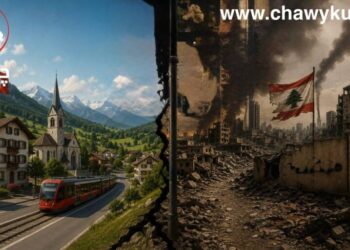
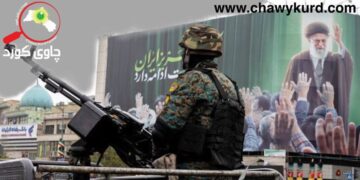
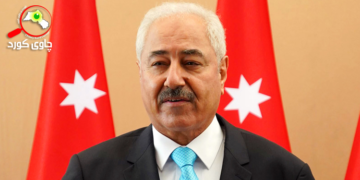
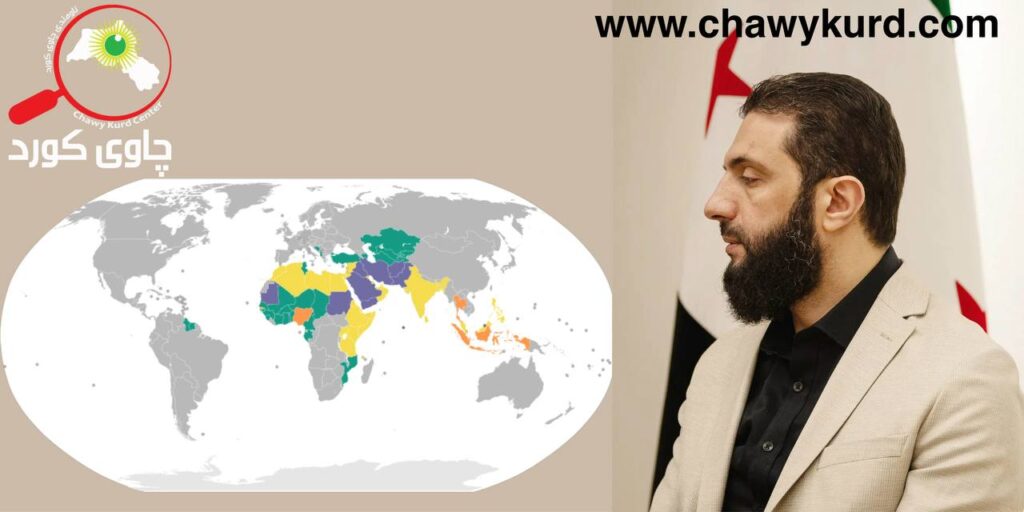
Introduction; in contemporary Middle Eastern history, political and military changes are taking place at a rapid pace. One of the figures who have gone from leader of an extremist group to an influential political and military player over the past decade is Ahmad Al-Sharaa, formerly known as Abu Mohammed al-Jolani and he had previously been offered a $1 million reward by the United States. However, in this rapid change and with the initiative and what became the last blow to the fall of the government of Bashar al-Assad, the paper turned from the terrorist jolani became a diplomatic figure and is welcomed as a political figure. The leader’s massive attacks on West Kurdistan in early 2026 were not just a simple military move, but an expression of a fundamental change in the balance of power of regional countries.
“Character Change; From Jolani to Al-Sharaa”
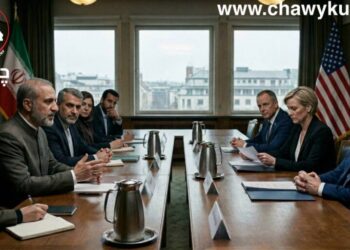
To understand the 2026 attacks, we must first understand the changes within the Syrian Liberation Council. In the years leading up to 2026, Ahmed al-Sharaa made a relentless effort to remove the cloak of “terrorism” from his organization and present itself as a Syrian national force. By changing his name, appearing in civilian clothes and giving interviews to Western media, he sent a message to the world that he was ready for agreement. The attack on the West was seen in this context as an attempt to prove the “legitimacy of geography” and expand the boundaries of its administrative power.
“Results and Implications”
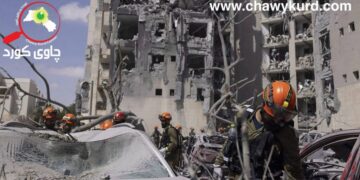
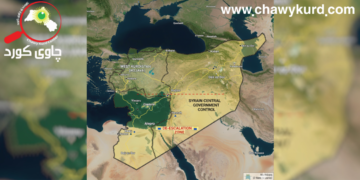
The attacks in early 2026 completely changed the political map of Syria. Ahmed al-Sharaa was able to take control of some strategic areas, but this led to a new wave of displacement and instability in the region.
This incident proved that:-
- Without a comprehensive international solution, the Syrian problem will only move from one stage to another.
- Armed groups can change their colors and names, but their strategic goals for power remain the same.
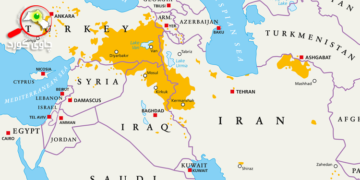
- The West (Kurdistan) remained as always between the interests of the countries of the region and the silence of the international powers.
“The role of the Kurdistan Regional Government and the national feeling of the people”
The role of the Kurdistan Regional Government: In this regard, the role of the Kurdistan Region and the national feelings of the people, which can be complementary and at the same time distinct from each other, must be evaluated taking into account the complexity between capacity and motivation. From a political and governmental point of view, in the first place, the region tried to appear as a calm and balanced party. Neither the attack has been supported nor officially rejected, indicating that the region is always trying to maintain internal peace and avoid military conflict, or in simple terms, the region knows very well that any new fire in the West could enter its home. From a diplomatic perspective, the Kurdistan Region is seen as a central center of dialogue. Its relations with domestic forces, regional states as well as international forces have enabled it to play the role of a “mediator”, not a military player. This role is powerful, but very sensitive, because any small mistake can make the region a victim of political pressure. Finally, the role of the Kurdistan Region is more of crisis protection and management than crisis creation. This is a sensible position from the perspective of political correctness, and although it appears to some parties to be flawed and undone, in a region where most players have fire in their hands, what does not fire is still an important action.
In general, the Kurdistan Region has often tried to portray itself as a “balanced and peaceful” party. The government’s strategy is often based on two principles: maintaining internal stability and not drawing the region into a widespread regional war. Therefore, in the face of attacks and regional crises, diplomatic language, thoughtful silence, and keeping within the boundaries of “neutrality” are often chosen. This attitude is largely regarded as political consciousness from the perspective of international actors, but domestically it has often been read as political weakness or fear, meaning that the government is torn between protecting its own interests and moral imperatives.
“In short and finally”
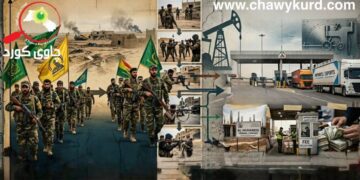
Ahmed al-Sharaa’s attack on the West in 2026 was not just a conflict over territory, but a competition to impose a new identity on the future Syria. Turkey’s hand behind these attacks was a sign that the Kurdish invaders are ready to resort to any means to prevent the Kurds from becoming stronger. This historical stage showed that in Middle Eastern politics, “yesterday’s friend and today’s enemy” is not just a phrase.