






















































During the Nineteenth and Twentieth Centuries (1800–1950)”
“Introduction”
The study of this transaction provides an important historical area of life in Sulaymaniyah. This article scientifically examines the role of the Jewish community in the development and promotion of the city’s economy and commerce over a long period, from the primary nineteenth century to the mid-twentieth century and the rise of the modern Iraqi state. Clear historical evidence shows that the Jewish community in Sulaymaniyah, especially those from cities in the Mukriyan region of Kurdistan such as Bana, Saqiz and Sanaa, independently led to the start of new commercial and industrial activities and brought Sulaymaniyah to regional and international markets.
“The Historical and Geopolitical Concept of the Region in the Nineteenth Century”
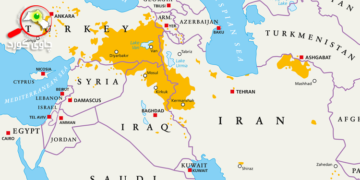
Before the arrival of the Jews in Sulaymaniyah, the situation in the city and the region was very different. Sulaymaniyah was founded in 1784 by Ibrahim Pasha of Baban. Although it played a significant role during the rule of the Baban Empire, after the collapse of this empire and the closure of the “Kurdistan Regional Emirates” under Ottoman rule, most cities in the region, including Sulaymaniyah, suffered from inconvenience and loss of proper trade relations. In the early nineteenth century, economic and commercial conditions in Sulaymaniyah and its surrounding areas were unfavorable and slow due to dangerous political attitudes and local economic differences. These positions had reduced the city’s trade links with major regional markets such as Baghdad, Mosul and the cities of the Mukriyan region. In this situation, the Mukriyan region, which included cities such as Bana, Saqiz and Sanaa, had a different situation.
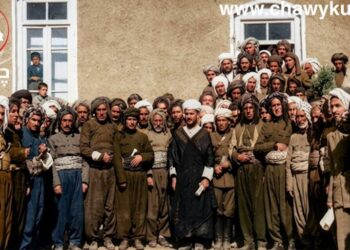
According to historical evidence and sources, a large number of Jews lived in the area and their commercial activities had an independent place in the economic structure of the region. According to historian Jafar Khairati in his book Iranian Jews, “Mukriyan was one of the most important settlements in Iran”. These Jewish communities were especially famous in the market for heaps, architecture, and the sale of various kinds of pieces, and their occupations were mostly trade and industry. In the early nineteenth century, political instability and economic discrimination in Sulaymaniyah led Jewish merchants and industrialists from the Mukriyan region to look at the city as a new opportunity to expand their markets and businesses. These positions met the economic needs of Sulaymaniyah and allowed trade relations between the two regions to be established.
“The rise of the Jewish Association and the start of commercial activities in Sulaimani”
The beginning of Jewish commercial activities in Sulaymaniyah is determined by some historical evidence. According to Ottoman administrative memoranda, the first groups of Jews to come to Sulaymaniyah as immigrants were in the 1850s and 1860s. However, the observations of the English traveler and researcher Austin Henry Layard, who traveled to the area in 1846, show that Jews were not yet in Sulaymaniyah at that time. However, in the administrative memoranda of 1870, they mention a group of Jews who settled in Sulaymaniyah and carried on the business of selling architectural parts and supplies. This evidence suggests that Jewish immigration to Sulaymaniyah began in the middle of the nineteenth century and expanded towards the end of the century. The composition and occupation of the Jewish community in Sulaymaniyah was clearly different. Most of this group worked in various trades and industries. According to 1880 administrative records, one of the most important Jewish occupations in Sulaymaniyah was the sale and manufacture of architectural materials. In the late nineteenth century, the structure of the Jewish community in Sulaymaniyah grew further. According to the Ottoman Administrative Report of 1895, there were about 50 Jewish families living in Sulaymaniyah, most of who worked in trade and industry. This number was considered very large in its time and was a major sign of the presence of the Jewish community in the social and economic structure of the city.
This study scientifically presents the role of the Jewish community in the economic and commercial revival of Sulaimani during the nineteenth and twentieth centuries. According to historical evidence and sources, the Jewish community, especially those from the Mukriyan region, played a major role in the structure and economic development of the city. They changed the economic structure of the city by starting new professions and businesses, such as making architectural furniture and selling parts and clothing. At the same time, by connecting domestic and foreign markets, they created a convenient route for trade between the cities of the region and brought Sulaymaniyah to regional and international markets. However, in the late 20th century, for various reasons such as political changes, anti-Semitism and the rise of the modern Iraqi state, Jewish activity declined and then ended. The migration of the Jewish community from Sulaymaniyah ended an important period in the city’s economic history. However, the effects of this period on the economic and industrial structure of the city are still visible in the evidence and historical identity of the city and form an important part of the economic history of Kurdistan.